Biohazard Cleanup
Safe, careful removal of bodily fluids and other infectious material, finished with hospital-grade disinfection.
Learn more →Utah · Iron County
Is there blood, decomposition or contamination in a home or business in Parowan? Call (877) 812-4220 and get biohazard cleaners for death cleanup, suicide cleanup, hoarder cleanouts and infectious disease disinfection throughout Iron County.
If anyone is in danger, call 911 first. For a suicide crisis, call or text 988.
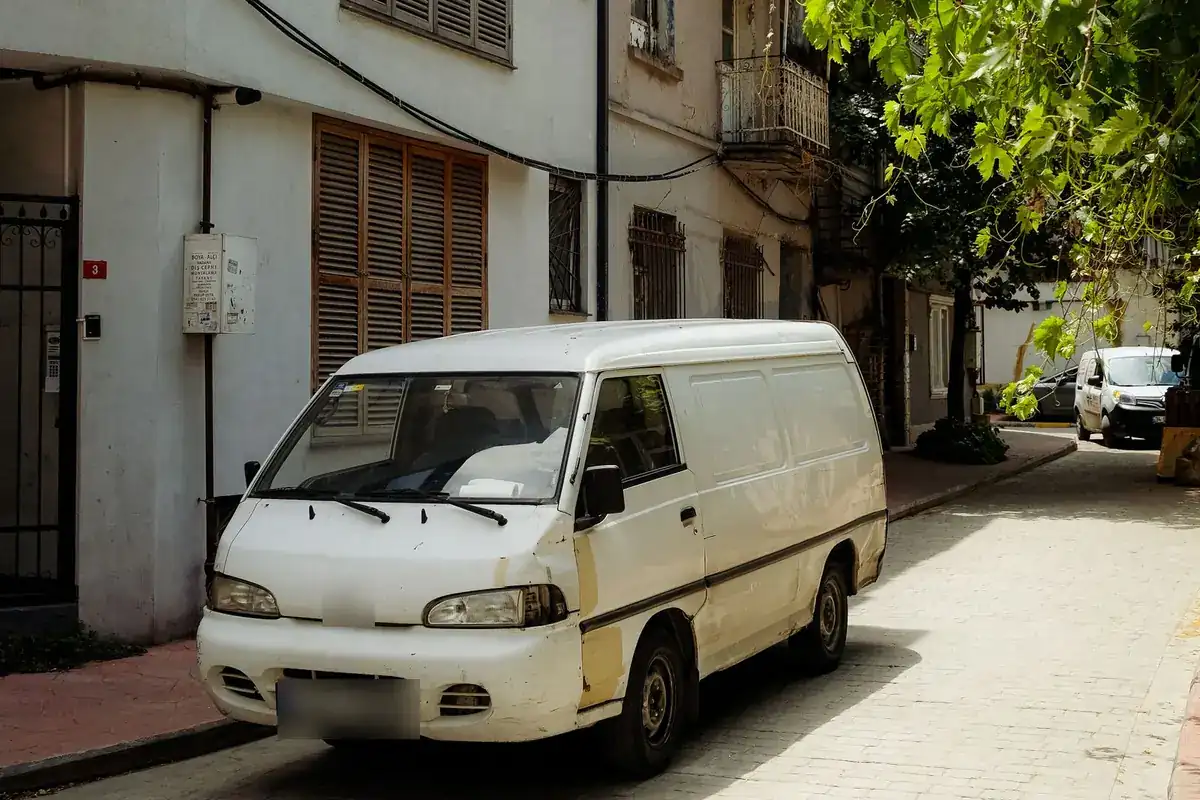
Biohazard removal means taking out the materials that carry germs and then treating what is left so the space is safe again. In Parowan, UT, property owners, landlords, families and businesses can get this work done by calling Parowan Biohazard Cleanup Help.
Families are never asked to see or touch anything. The affected area gets cleaned from start to finish, then the result is checked before the property is handed back. This work is available around the clock in Parowan, UT and across Iron County.
With roughly 3,165 residents, Parowan is a small community, and biohazard cleanup is available here the same way it is in a big city. Only about 23% of homes in Iron County were built before 1980, so most cleanups involve newer drywall and flooring, though fluids can still soak through to the subfloor.
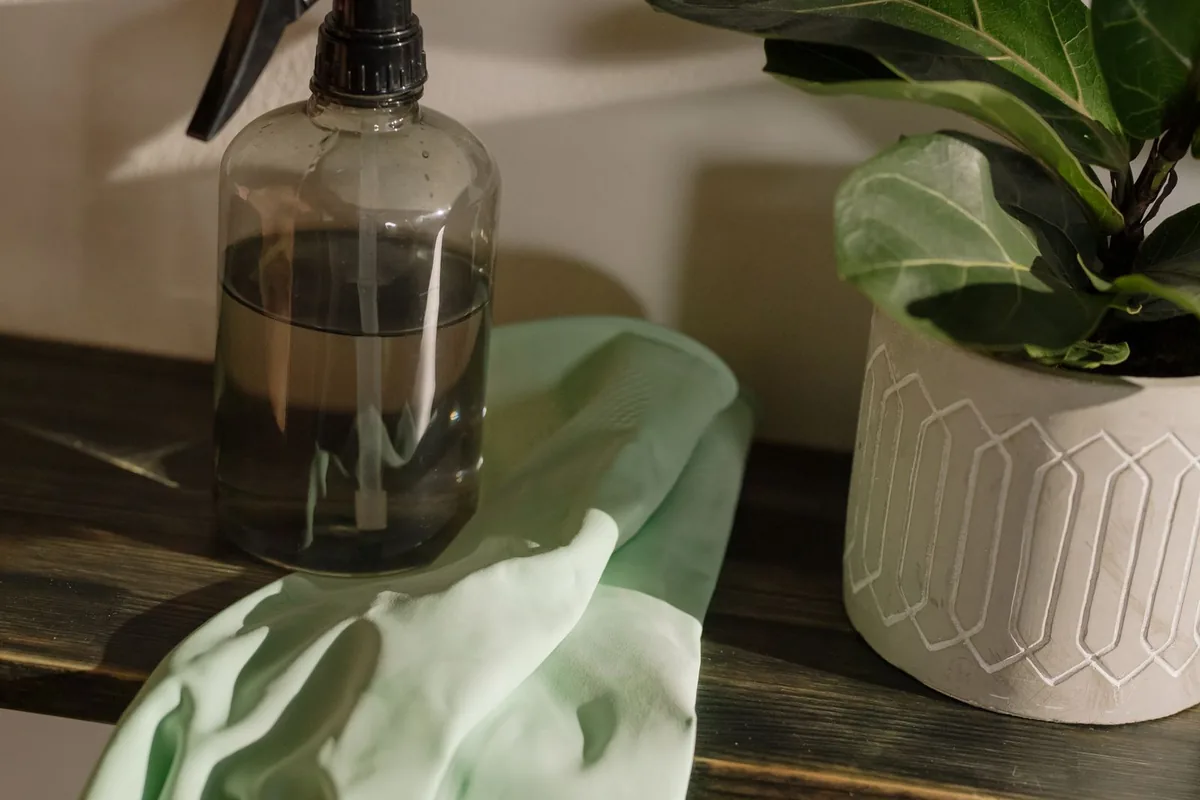
Household gloves and a spray bottle do not meet the standard for infectious materials. Biohazard decontamination follows 29 CFR 1910.1030, which sets rules for protective equipment, handling and disposal when blood or other potentially infectious materials are present.
Real decontamination reaches what the eye cannot see. Fluids travel under flooring and into baseboards, so crews check beneath and behind surfaces, remove affected materials and disinfect the exposed area before odor treatment begins.
These are the biohazard cleanup services you can get in Parowan and nearby parts of Iron County. Not sure which one applies? Call (877) 812-4220 and describe what happened.
Safe, careful removal of bodily fluids and other infectious material, finished with hospital-grade disinfection.
Learn more →Discreet forensic cleaning for homes, rentals, businesses and vehicles, with odor removal and waste disposal.
Learn more →Discreet trauma cleaning that covers waste disposal, odor removal and records for insurers.
Learn more →Decomposition cleanup that treats the room, the air and the odor at its source.
Learn more →Compassionate cleaning after a loss, with keepsakes set aside and the room returned safe.
Learn more →Respectful homicide cleaning that removes blood, bodily fluids and odor after investigators release the scene.
Learn more →Blood in cars, vans and rideshare vehicles cleaned from seats, mats and panels, then disinfected.
Learn more →Bodily fluid clean up with protective gear, EPA-registered disinfectants and sealed disposal of contaminated materials.
Learn more →Human feces removal with protective gear, EPA-registered disinfectants and sealed disposal of contaminated waste.
Learn more →Odor control for landlords, buyers and families whose property still smells after a loss.
Learn more →Respectful hoarder cleaning that clears exits, sorts belongings with you and cleans every room.
Learn more →Hoarding removal with protective gear, safe lifting and correct disposal of waste.
Learn more →Animal hoarding clean up that restores a home for repairs, a sale or a new tenant.
Learn more →Squalor cleanup that removes filth, waste and spoiled food, then scrubs and disinfects every room.
Learn more →Raw sewage removal, tear-out of soaked materials and full disinfection after a backup or overflow.
Learn more →Emergency disinfection after contagious illness, with soft items treated or removed and the space checked.
Learn more →Biohazard remediation that removes soaked materials, treats odor and documents each step of the work.
Learn more →Safe collection of used needles, syringes and contaminated supplies, with proper containers and transport.
Learn more →Sharps cleanup with protective gear, puncture-resistant containers and proper medical waste disposal.
Learn more →Cleanup after police release: items, residue and soiled materials handled without judgment.
Learn more →Testing, removal, cleaning and retesting for properties where meth was made or heavily used.
Learn more →Found unknown powder? A cleanup team contains the area, cleans surfaces and hauls waste safely.
Learn more →Toxic waste cleanup that identifies the substance, cleans affected surfaces and follows disposal rules.
Learn more →Fuel, solvent and chemical spill cleanup for homes, farms, shops and fleet yards.
Learn more →Pepper spray cleanup that lifts oily residue from surfaces without spreading it to clean rooms.
Learn more →Rodent infestation cleanup after pest control, with odor removal and sanitizing of the affected area.
Learn more →Histoplasmosis-aware cleanup with respirators, HEPA filtration and sealed disposal of guano.
Learn more →Dead animal removal from walls, attics, crawl spaces and vents, with disinfection and odor treatment.
Learn more →Hazmat car cleaning with protective gear, EPA-registered disinfectants and sealed disposal of contaminated parts.
Learn more →Discreet blood cleanup after an accident, so the space can reopen safely.
Learn more →Workplace biohazard cleanup that contains the area, removes contamination and documents the work for insurers.
Learn more →House cleanout and hauling for estates, landlords and out-of-town families after a loss.
Learn more →The first step is deciding what is unsafe and how far the contamination goes. Hazards such as sharps, broken glass or sewage are noted before anyone starts.
The affected area is sealed off with plastic sheeting and air filtration so contaminants and odor cannot spread. Technicians put on PPE before they enter.
Porous materials are removed, surfaces are scrubbed and disinfected, and tools are cleaned between steps so germs are not carried to other rooms.
Odor equipment finishes the air, the crew checks the whole area, and the owner is told what was done and what repairs may still be needed.
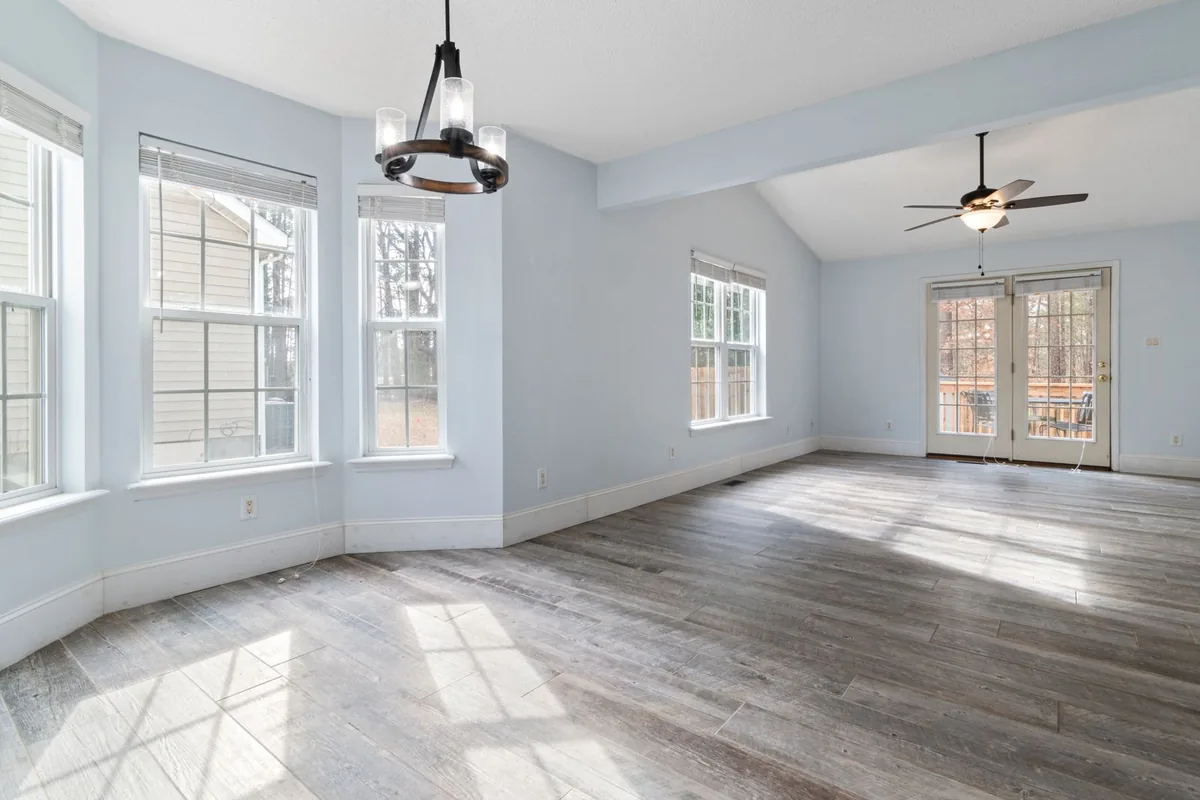
Photos, documents, jewelry and keepsakes are set aside for the family whenever they can be safely saved.
Local help in Parowan, Parowan and nearby towns means crews know the area, local police and the way homes in the region are built.
Cleanup covers houses, apartments, rentals, offices, churches, shops and cars or trucks, with plans that fit each type of property.
Contaminated items are sealed, labeled and kept out of household trash, and the waste leaves under medical waste rules.
Biohazard cleanup in Parowan, UT typically costs $500 to $25,000, depending on the type of biohazard, the size of the affected area and how far fluids soaked into porous materials.
Most residential jobs cost $3,000 to $5,000 (Fixr). Costs for hoarding, sewage and drug residue differ from death cleanup because each involves different hazards, testing needs and disposal. A fair estimate always starts with an on-site look.
| Type of job | Typical range |
|---|---|
| Blood spill cleanup, small area | $500 - $2,500 |
| Crime scene cleanup, most homes | $1,500 - $7,500 |
| Unattended death cleanup | $2,000 - $7,000 |
| Suicide cleanup | $1,500 - $5,500 |
| Sewage cleanup, most homes | $2,000 - $10,000 |
| Hoarding cleanup, level 3 home | $2,000 - $5,000 |
| Meth lab cleanup, typical | $15,000 - $20,000 |
Estimates only, not a quote. Sources: Fixr, Yelp Costs, BioCleaners Directory, PushLeads, Dropcurb, Bob Vila and cleanup company cost guides. Call (877) 812-4220 to talk through the job.
When a death goes unnoticed for days, decomposition fluids reach flooring and subfloor and the odor spreads. Death cleanup removes the affected materials and treats the odor at the source.
Offices, shops, churches and other public spaces may need cleanup after an injury, illness outbreak or break-in. The work is planned around staff, customers and reopening dates.
Hoarder homes can hide rotting food, animal waste, mold and pests, along with fire and structural hazards. Hoarding cleanup sorts belongings and restores a livable condition.
An average July high of 71 degrees in Parowan speeds up decomposition after a death. The sooner the scene is released and cleaned, the less the odor and fluids spread.
Falls, power tool injuries, farm and industrial accidents and car crashes can leave blood and tissue behind. Accident scene cleanup removes the trace so the space can be used again.
Cars, trucks and work vehicles can carry biohazards after an accident, assault or medical event. Vehicle cleanup removes contaminated upholstery and disinfects every surface and vent.
The word biohazard covers blood, tissue, decomposition, sharps, waste and some residues. Each carries different health risks, and each calls for its own cleaning and disposal approach.
It varies by the germ. Hepatitis B can survive on surfaces for at least seven days, and other pathogens last for different periods. Because nobody can tell by looking, all blood is treated as infectious until it has been properly disinfected.
It is not safe. Household cleaners do not reach blood and fluids that soak into carpet, padding, drywall and subfloor, and there are rules for disposing of biohazardous waste. A professional biohazard cleaner uses PPE, EPA-registered disinfectants and regulated medical waste disposal.
Call 911 if anyone is in danger. Keep everyone out of the affected area, do not clean anything, and wait for law enforcement to release the scene. Then call your insurance company and a biohazard cleaning company to plan the cleanup.
It means discreet removal of blood, bodily fluids and affected materials, followed by full disinfection and odor treatment, so the family never has to face the scene. If you or someone you know is thinking about suicide, call or text 988 to reach the 988 Suicide and Crisis Lifeline.
Respirators, gloves, face protection, boot covers and disposable suits make up the usual personal protective equipment (PPE). It is put on before entering the work area and disposed of as contaminated waste afterwards.
Usually it is better not to. The affected area is sealed off, odor and chemicals may be present, and the work is easier to do safely with people and pets elsewhere. The crew can say what is safe for your situation.
Yes. Vacant properties, at 14% of housing in Iron County, can collect animal waste, drug paraphernalia, sewage and storm damage. Owners should treat what they find as a hazard and call for cleanup instead of clearing it themselves.
It can. Iron County has a Relatively Low river flood risk rating from FEMA. Wherever floodwater or a sewer backup enters a home, the water is treated as Category 3 and needs full cleaning and disinfection.
The service area reaches from Parowan to Parowan, Enoch and Cedar City. Whichever town the property is in, the process and the protective standards stay the same.
A cleanup specialist is ready to talk it through whenever you are.
Call (877) 812-4220